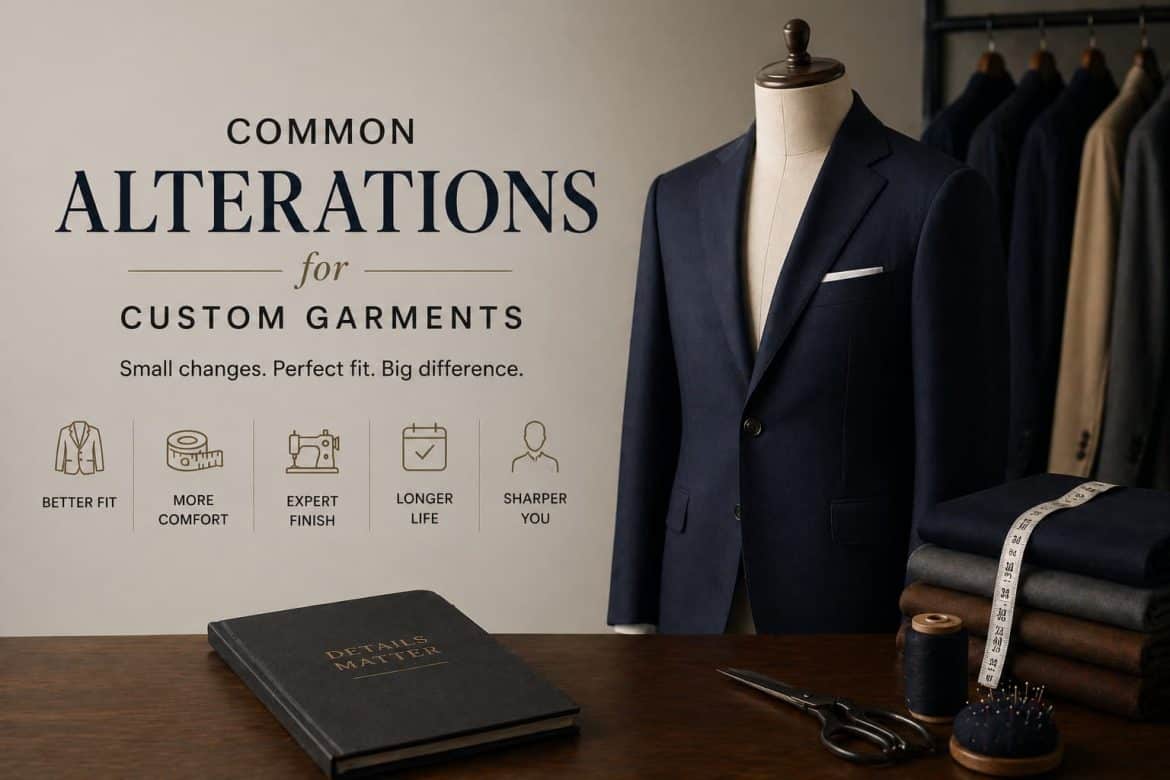
Custom garments are often associated with precision, luxury, and superior fit. Many people assume that once a garment is made specifically for them, it should fit perfectly forever. In reality, even the best custom clothing may require alterations over time. Bodies change, preferences evolve, and garments respond differently after repeated wear. Alterations are not a sign of poor craftsmanship, they are a normal and valuable part of maintaining a refined wardrobe.
In fact, some of the best-dressed people rely heavily on alterations. A jacket may need sleeve refinement after a few wears. Trousers may need waist adjustments after lifestyle changes. A shirt may benefit from reshaping after someone discovers a more flattering fit preference. Tailoring is not static. It is an ongoing relationship between garment and wearer.This guide explores the most common alterations for custom garments, why they matter, and how they can dramatically improve appearance, comfort, and longevity.
Why Alterations Matter Even for Custom Clothing

Custom garments begin with better fit foundations than ready-made clothing, but perfection often comes through refinement.
Reasons Alterations Are Common
- Weight gain or weight loss
- Muscle development from training
- Posture changes over time
- Personal style preference shifts
- Fabric settling after wear
- Seasonal comfort needs
- Desire for a more modern silhouette
Why It’s Worth It
| Benefit | Result |
| Better fit | Cleaner silhouette |
| Improved comfort | Easier movement |
| Updated style | More modern look |
| Extended lifespan | Delays replacement |
| Better confidence | Garments worn more often |
A small adjustment can make an older garment feel new again.
1. Trouser Hem Adjustments
Trouser length is one of the most visible tailoring details. Even premium trousers can look sloppy if the hem is wrong.
Common Hem Styles
| Hem Type | Appearance |
| Full Break | Traditional fold at shoe |
| Half Break | Balanced classic style |
| No Break | Modern clean line |
| Slight Crop | Contemporary casual |
Why Hemming Matters
Trousers that are too long bunch around the ankle, creating a messy appearance. Trousers that are too short may feel awkward unless intentionally styled.
Best For Most Men
A slight or half break tends to work well across business and smart-casual wardrobes.
2. Trouser Waist Adjustments
Waist changes are among the most requested alterations.
Why Waist Changes Happen
- Weight fluctuation
- Different belt habits
- Preference for high-waist or lower-rise feel
- Seasonal comfort changes
Typical Adjustment Range
Many trousers can be let out or taken in modestly depending on seam allowance.
Signs You Need It
- Constant belt tightening
- Waist digging when seated
- Trousers sliding down
- Discomfort after meals
3. Seat and Rise Refinements
Even when the waist fits, trousers may feel wrong through the seat or rise.
Common Problems
- Excess fabric under seat
- Pulling across hips
- Tightness when sitting
- Front rise discomfort
Why It Matters
Seat fit affects comfort throughout the day more than many people realize.
4. Leg Tapering
Leg shape strongly affects how modern or classic trousers appear.
Reasons for Tapering
- Wide lower leg opening
- Outdated silhouette
- Excess fabric movement
- Better balance with slimmer shoes
Caution
Over-tapering can restrict movement and quickly date the garment. Moderate refinement usually works best.
5. Jacket Sleeve Shortening or Lengthening
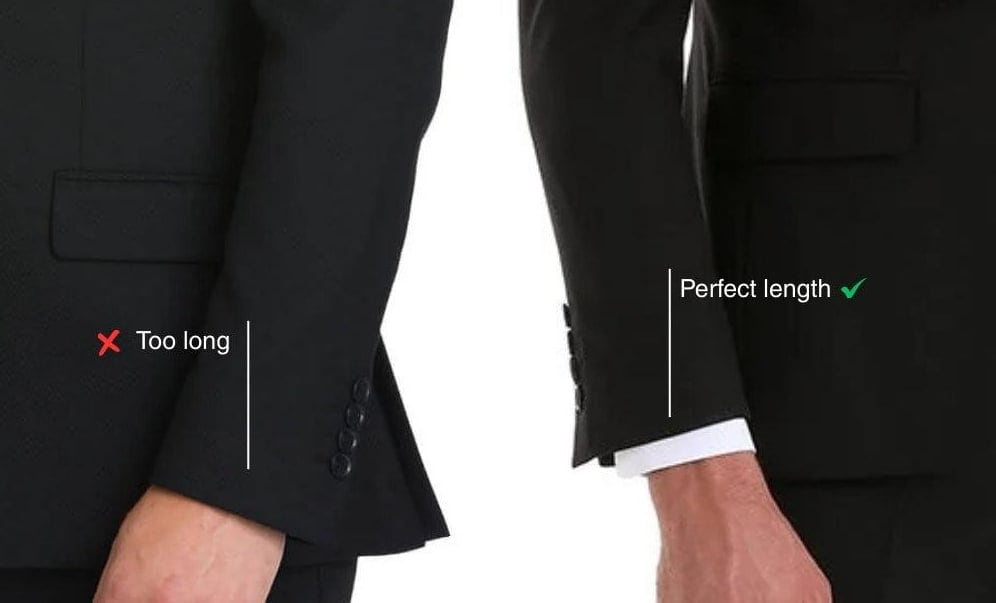
Sleeve length is one of the easiest ways to improve jacket appearance.
Ideal Look
A small amount of shirt cuff often shows beyond the jacket sleeve.
Problems With Long Sleeves
- Hands look swallowed
- Jacket appears oversized
- Outfit loses sharpness
Problems With Short Sleeves
- Unbalanced proportions
- Excessive shirt cuff showing
Why This Matters
Correct sleeve length often makes a jacket look significantly more expensive.
6. Jacket Waist Suppression
Many jackets fit shoulders well but feel boxy through the body.
Waist Suppression Means
Bringing the jacket in slightly at the midsection.
Benefits
- Sharper silhouette
- More flattering torso line
- Better V-shape appearance
- Cleaner front button stance
Warning
Too much suppression causes pulling and discomfort. Tailoring should flatter, not suffocate.
7. Collar Gap Correction
A collar gap happens when the jacket collar lifts away from the shirt collar at the back neck.
Causes
- Rounded shoulders
- Forward posture
- Pattern imbalance
- Neck slope mismatch
Why It Matters
Even a premium jacket can look poor from behind if collar gap is obvious.
Expert Fix
An experienced tailor can rebalance the jacket so it sits closer to the neck naturally.
8. Sleeve Pitch Adjustments
This is one of the lesser-known but highly valuable refinements.
What Is Sleeve Pitch?
It refers to the angle sleeves are set based on your natural arm posture.
Signs of Incorrect Pitch
- Sleeve twisting
- Diagonal drag lines
- Restricted movement
- Fabric bunching when standing naturally
People who work at desks, train heavily, or have unique posture often benefit greatly from pitch corrections.
9. Shoulder Refinements
Shoulders are among the most complex parts of tailoring.
Possible Changes
- Slight narrowing
- Padding reduction
- Balance correction
Important Note
Shoulder alterations require skill and are usually more expensive than hems or waist changes.
A good initial shoulder fit is ideal.
10. Jacket Length Changes
Some jackets feel too long, too short, or visually off-balance.
When It Helps
- Older garments with outdated proportions
- Vintage jackets needing modernization
- Body proportion mismatch
Limitations
Pocket placement and button stance can restrict how much can realistically be changed.
11. Shirt Alterations
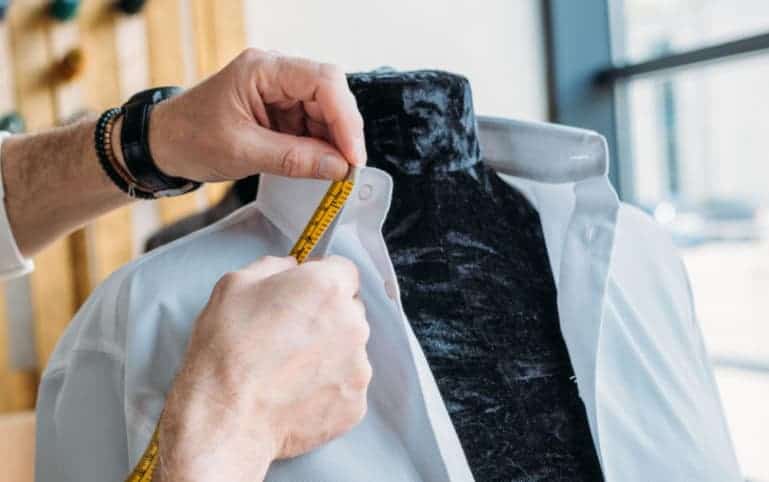
Shirts are one of the easiest garments to refine.
Common Shirt Changes
| Alteration | Benefit |
| Slim torso | Cleaner tucked appearance |
| Sleeve shorten | Better cuff placement |
| Neck adjust | More comfort |
| Side taper | Sharper profile |
| Hem reshape | Better untucked wear |
Why It Matters
Even modest shirt alterations can make everyday office wear feel far more polished.
12. Waistcoat / Vest Adjustments
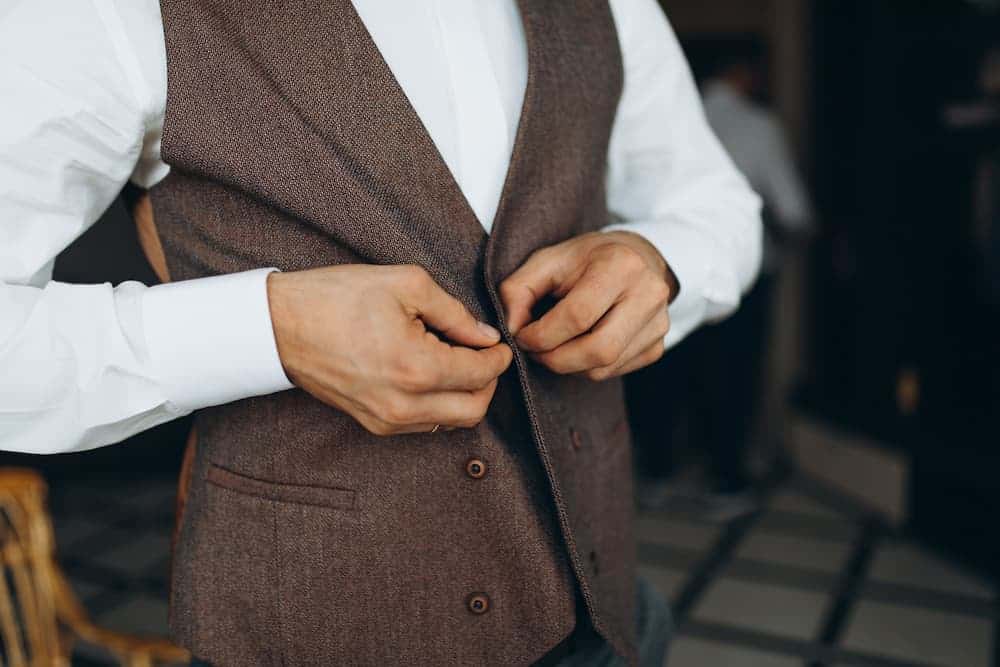
Three-piece garments often need additional balancing.
Common Changes
- Waist suppression
- Strap refinement
- Armhole comfort changes
- Front length correction
A poorly fitting waistcoat can ruin the harmony of a three-piece suit.
When Alterations Are Most Worthwhile
Strong Candidates
- High-quality suits
- Wedding garments
- Core business wardrobe pieces
- Sentimental garments
- Expensive custom clothing
Less Worthwhile Cases
- Very poor fabric quality
- Major rebuild on cheap garments
- Severely damaged clothing
Signs Your Garment Needs Alteration
- Pulling at buttons
- Excess wrinkling in odd areas
- Constant fidgeting
- Sleeves covering hands
- Trousers pooling at shoes
- Collar lifting away
- Feeling uncomfortable despite liking the garment
If you avoid wearing something repeatedly, fit is often the hidden reason.
How Often Should You Reassess Fit?
Good Times to Recheck
- Weight change of several kilograms
- New gym training routine
- New office dress requirements
- Seasonal wardrobe rotation
- Before weddings or important events
Bodies and preferences change more than wardrobes do.
Common Alteration Mistakes People Make
1. Going Too Tight
Slim is not the same as elegant.
2. Using the Cheapest Option
Poor alterations can damage expensive garments.
3. Ignoring Comfort
If it looks good but feels bad, you will not wear it.
4. Chasing Trends
Extreme tapering or ultra-short lengths date quickly.
5. Waiting Too Long
Minor issues become reasons garments stay unworn.
How to Communicate With a Tailor
Instead of saying “make it better,” explain the real issue.
Better Feedback Examples
- Tight when I sit down
- Too much fabric behind knees
- Sleeve twists forward
- Waist feels loose after lunch
- Want cleaner ankle line
Specific problems produce better solutions.
Cost vs Value of Alterations
| Alteration | Typical Value Impact |
| Hem trousers | Very High |
| Sleeve shorten | Very High |
| Waist adjust | High |
| Collar fix | High |
| Shoulder rebuild | Depends on garment |
Sometimes a modest alteration creates more visual value than buying something new.
Why Tailored Wardrobes Last Longer
Alterability is one hidden advantage of quality garments.
Better-made clothing often includes:
- Extra seam allowance
- Stronger stitching
- Better fabric recovery
- Reconstructable sections
This allows garments to evolve with the wearer.
Conclusion
Alterations are not an afterthought, they are part of true style. Even excellent garments often become exceptional only after thoughtful refinement. Whether it is adjusting trouser length, reshaping a jacket waist, correcting collar balance, or improving shirt proportions, small changes create noticeable confidence. In Bangkok, Jesse and Son has built a reputation for precision tailoring and fit-focused craftsmanship, making them a practical option for clients who value lasting wardrobe quality. If you are searching for a Bkk tailor experience where details matter as much as fabric, understanding alterations is essential.
FAQ
1. Are alterations normal for custom garments?
Yes. Fine-tuning after fittings is common and often expected.
2. What alteration makes the biggest difference?
Trouser hemming and jacket sleeve length often create immediate visual improvement.
3. Can a jacket shoulder be altered?
Sometimes, but it is more complex and costly than most other changes.
4. How long do alterations usually take?
Simple changes may take a few days, while complex work takes longer.
5. Should clothing fit very tight?
No. Proper fit balances comfort, movement, and shape.
6. Can trousers be let out later?
Often yes, if seam allowance was included.
7. Are shirt alterations worth it?
Absolutely. They can dramatically improve daily appearance.
8. How often should I reassess suit fit?
Whenever your body changes or comfort issues appear.