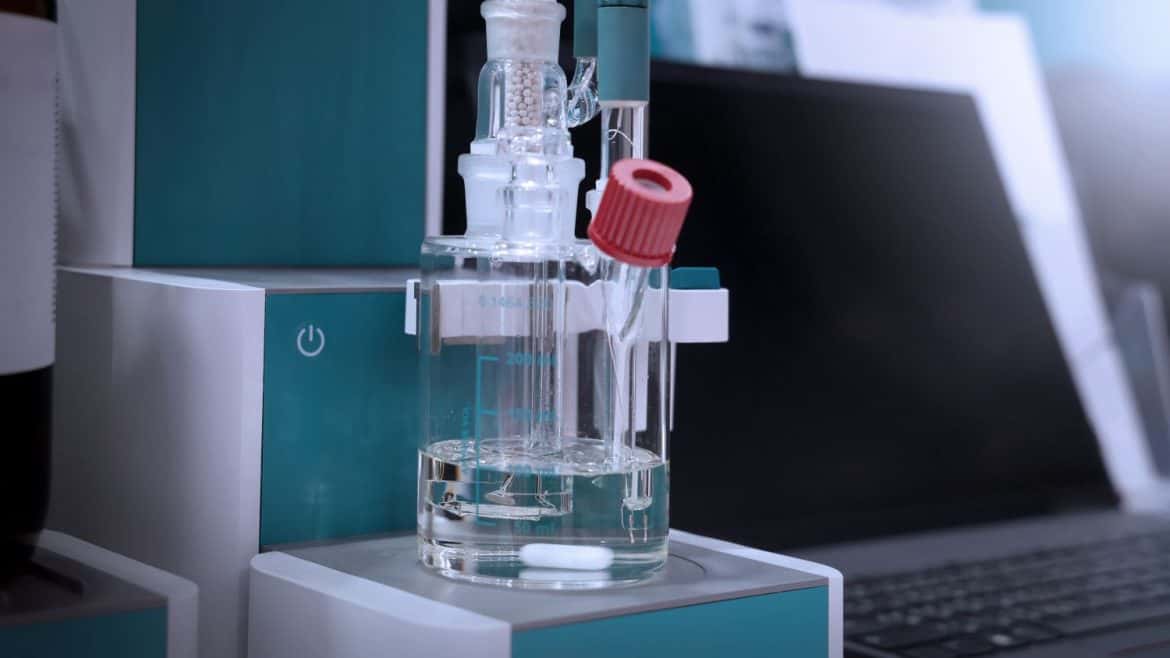
An anion test is a highly precise analytical procedure utilized to identify and quantify negatively charged ions-such as chlorides, bromides, sulfates, and nitrates-present on a surface or within a solution. This method is crucial for determining the level of ionic contamination, which, if left undetected, serves as a primary catalyst for corrosion, electrochemical migration, and overall product degradation in sensitive manufacturing sectors.
The standard and most effective methodology for executing this analysis is Ion Chromatography (IC). This technique separates the anionic species based on their interaction with a specialized resin, allowing chemists to measure contamination levels down to parts-per-million (ppm) or even parts-per-billion (ppb) accuracy.
Key Industrial Applications
Testing for anionic contamination is not limited to a single field; it is a fundamental quality control step across multiple high-tech and heavy industries to ensure product reliability and longevity.
- Printed Circuit Board (PCB) and Electronics Manufacturing: Residual flux, plating salts, and handling residues often leave behind chloride and bromide ions. Detecting these anions prevents dendritic growth and catastrophic short circuits in electronic assemblies.
- Automotive Component Production: Before painting, coating, or sealing, metal automotive parts must be entirely free of corrosive ions. Anionic analysis ensures surface cleanliness, preventing premature rusting and coating adhesion failures.
- Water Quality and Environmental Monitoring: Industries utilize this analysis to measure trace anions in wastewater, cooling water, and drinking water, ensuring absolute compliance with environmental regulations and preventing scale buildup in industrial pipes.
- Medical Device Manufacturing: Ensures that implantable devices and surgical tools are completely free of manufacturing residues that could cause adverse biological reactions or degrade the device material.
The Impact of Untreated Contamination
Failing to quantify anionic levels can lead to severe financial and structural consequences. In electronics, moisture from the operating environment interacts with residual salts, creating an acidic solution that eats away at copper traces. In heavy machinery and automotive sectors, trapped sulfates accelerate oxidation, compromising the structural integrity of the metal beneath protective coatings.
For manufacturers operating in Southeast Asia, maintaining strict quality control requires accessible, world-class analytical facilities. Partnering with an Alstesting Laboratory Testing service in Malaysia ensures that all components and materials meet rigorous international standards for cleanliness, mitigating the risk of field failures and costly product recalls.
Frequently Asked Questions (FAQ)
How does an anion differ from a cation in laboratory testing?
Anions are negatively charged ions (such as chloride and fluoride), whereas cations are positively charged ions (such as sodium and calcium). While both contribute to overall ionic contamination, anions are generally the more aggressive agents in driving corrosion and electrochemical failures in metals and electronics.
Why is Ion Chromatography the preferred method for this analysis?
Ion Chromatography (IC) is preferred because it offers unmatched sensitivity and allows for the simultaneous detection and quantification of multiple anionic species in a single run. This makes it highly efficient and accurate for complex industrial samples compared to traditional titration methods.
What are the acceptable limits for anionic contamination?
Acceptable limits vary strictly by industry and specific component application. For instance, IPC standards dictate very low thresholds for bare printed circuit boards to prevent electrical shorts, while automotive coating standards focus on preventing blistering and oxidation. Testing laboratories compare sample results directly against these specific international criteria.